Swept Path Analysis CAD Blocks and Turning Circles
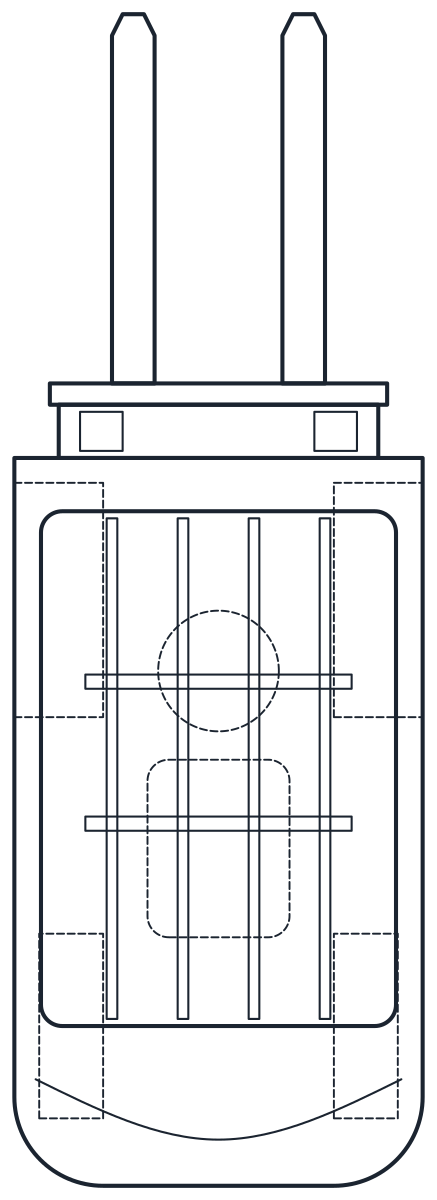
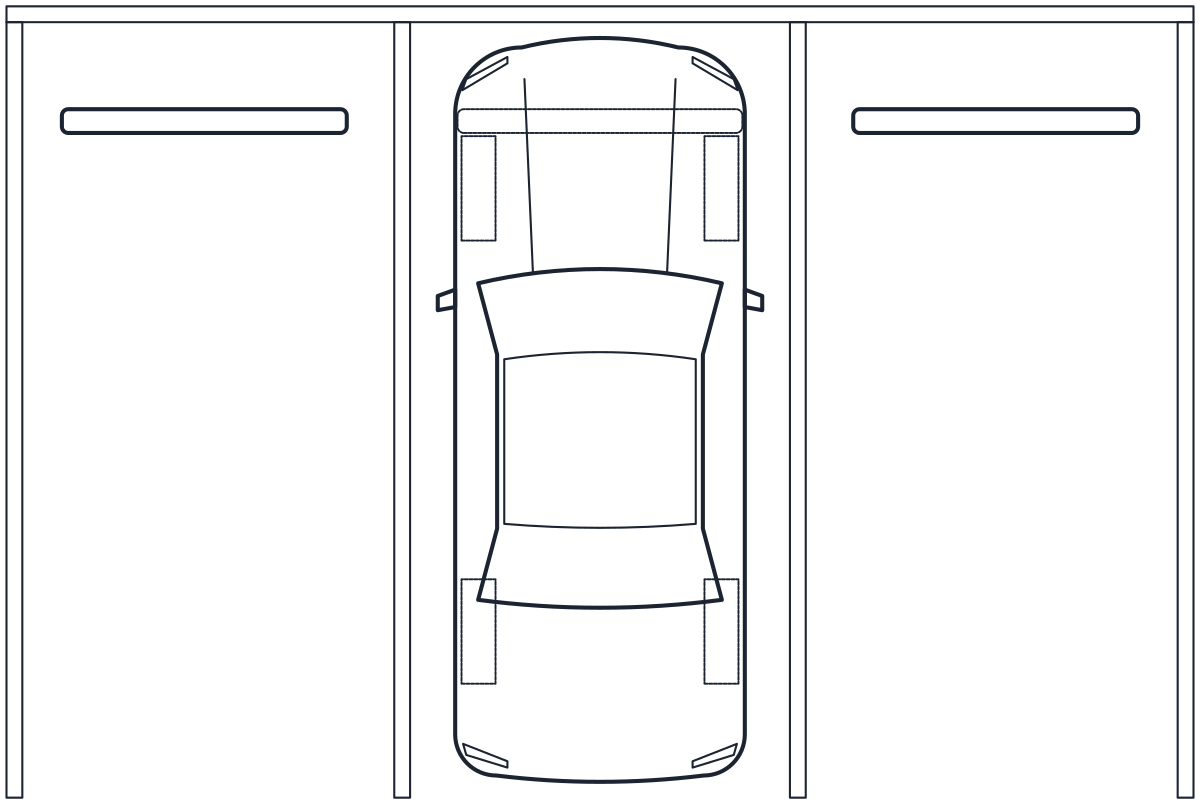
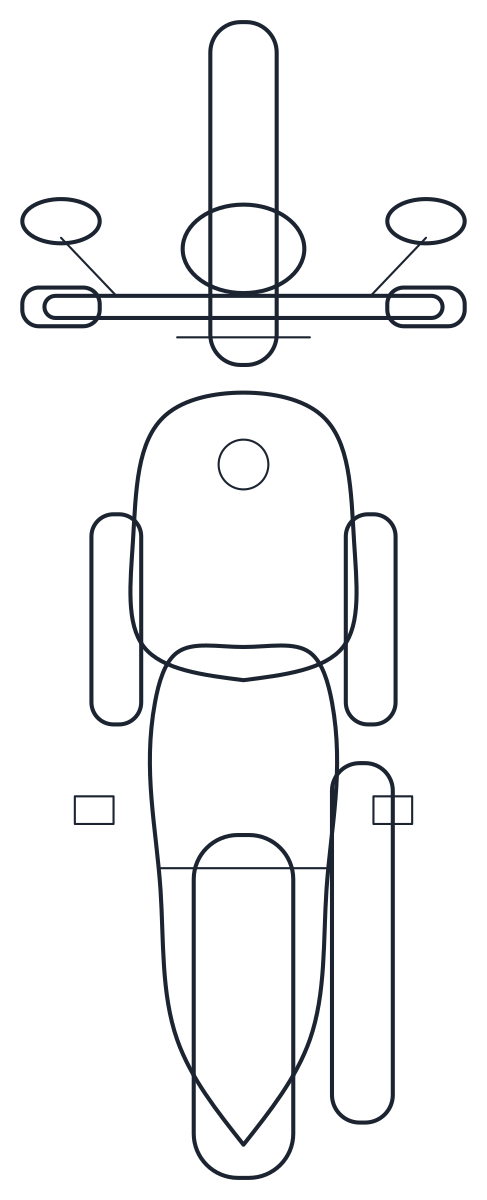
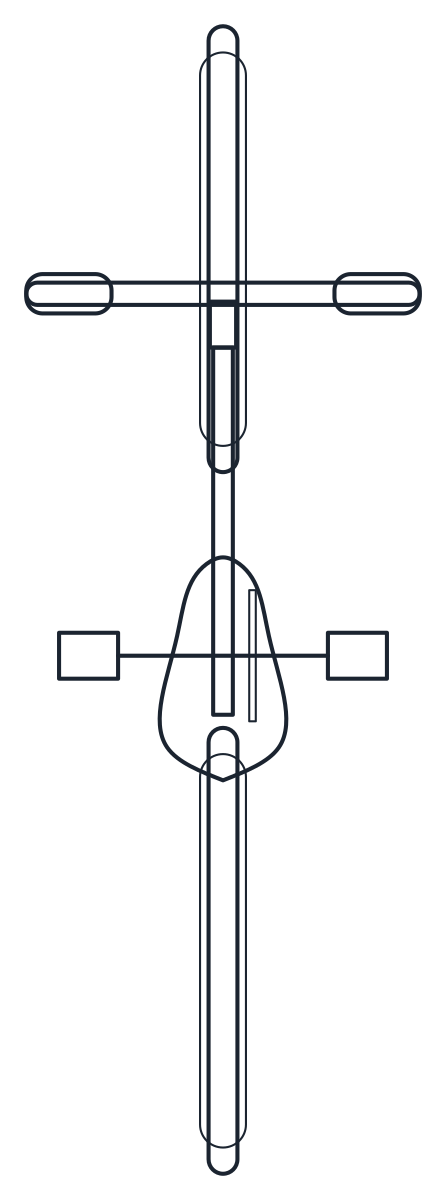
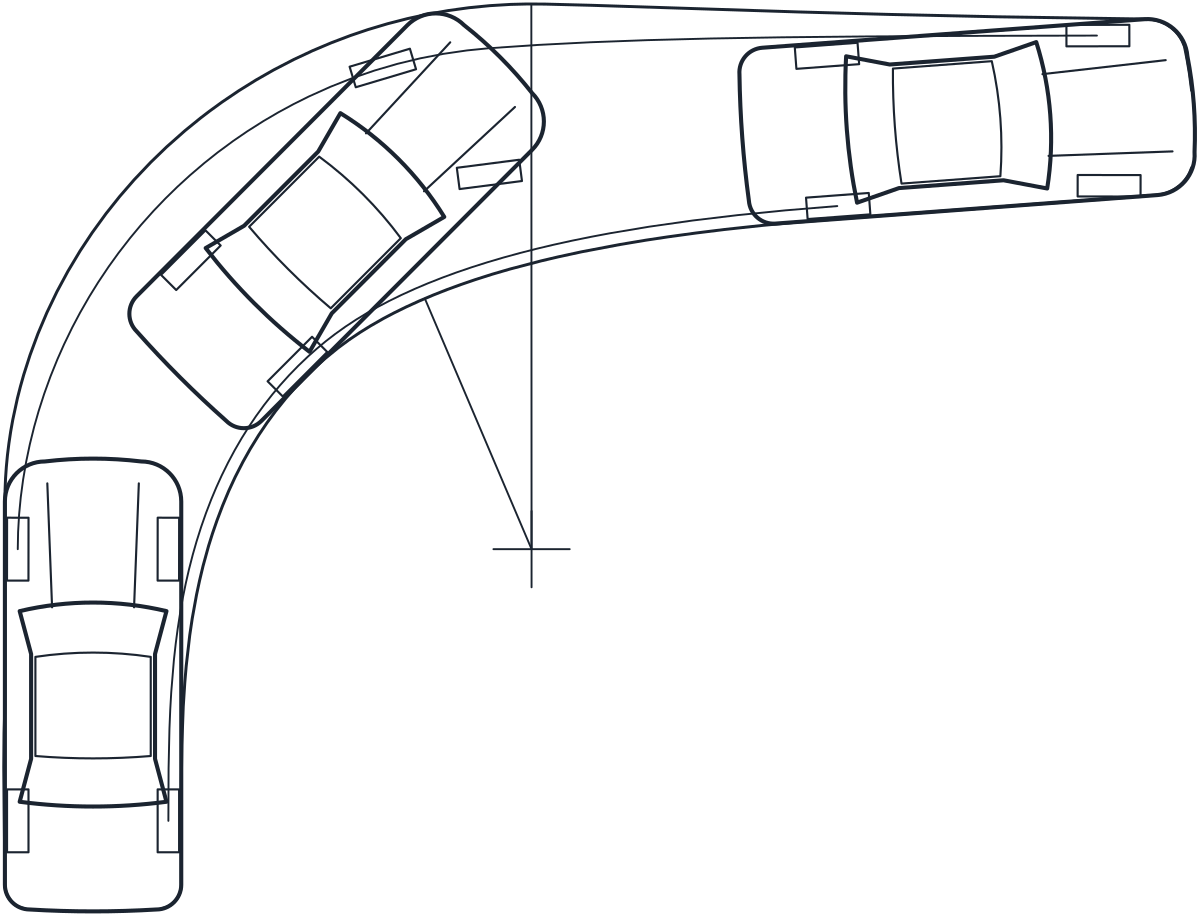
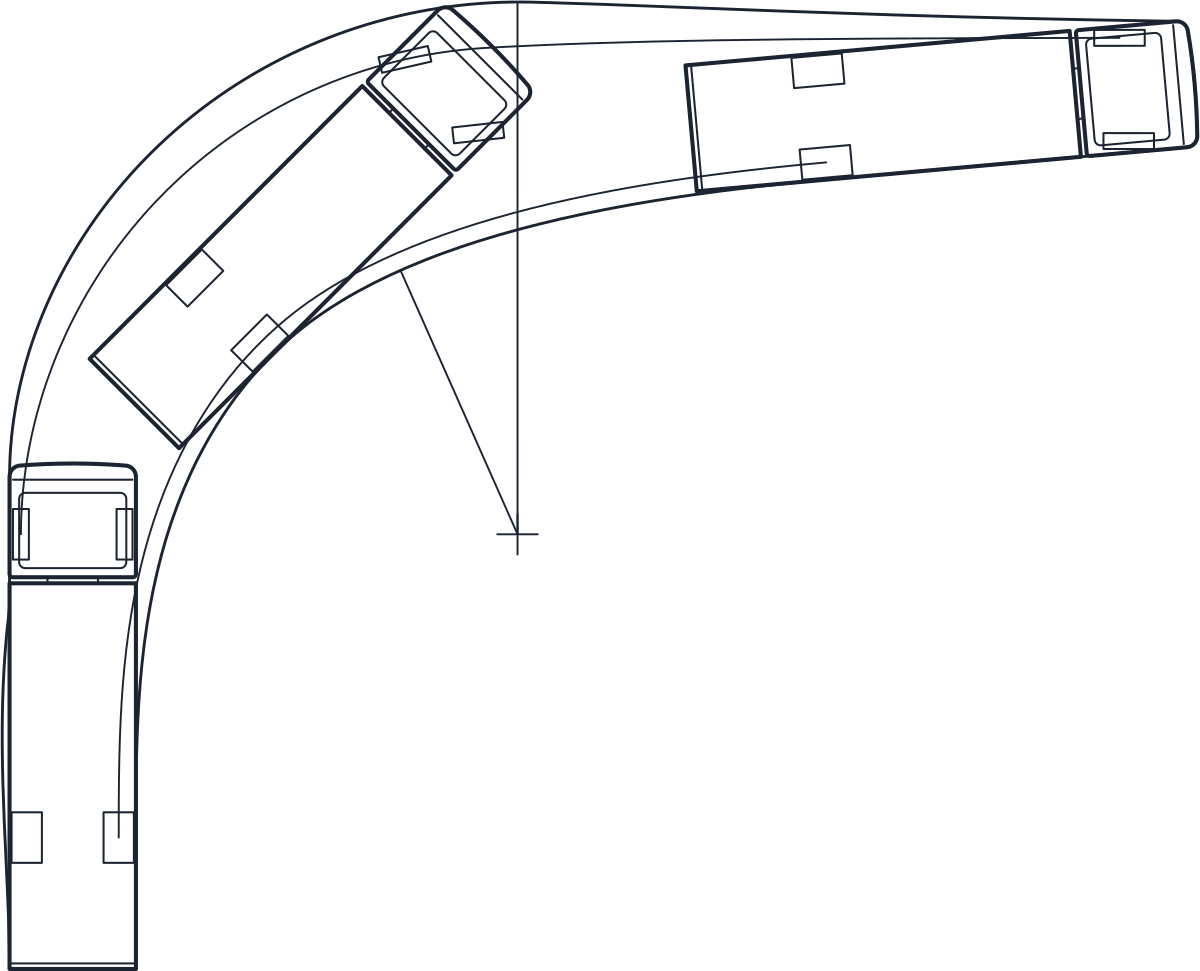
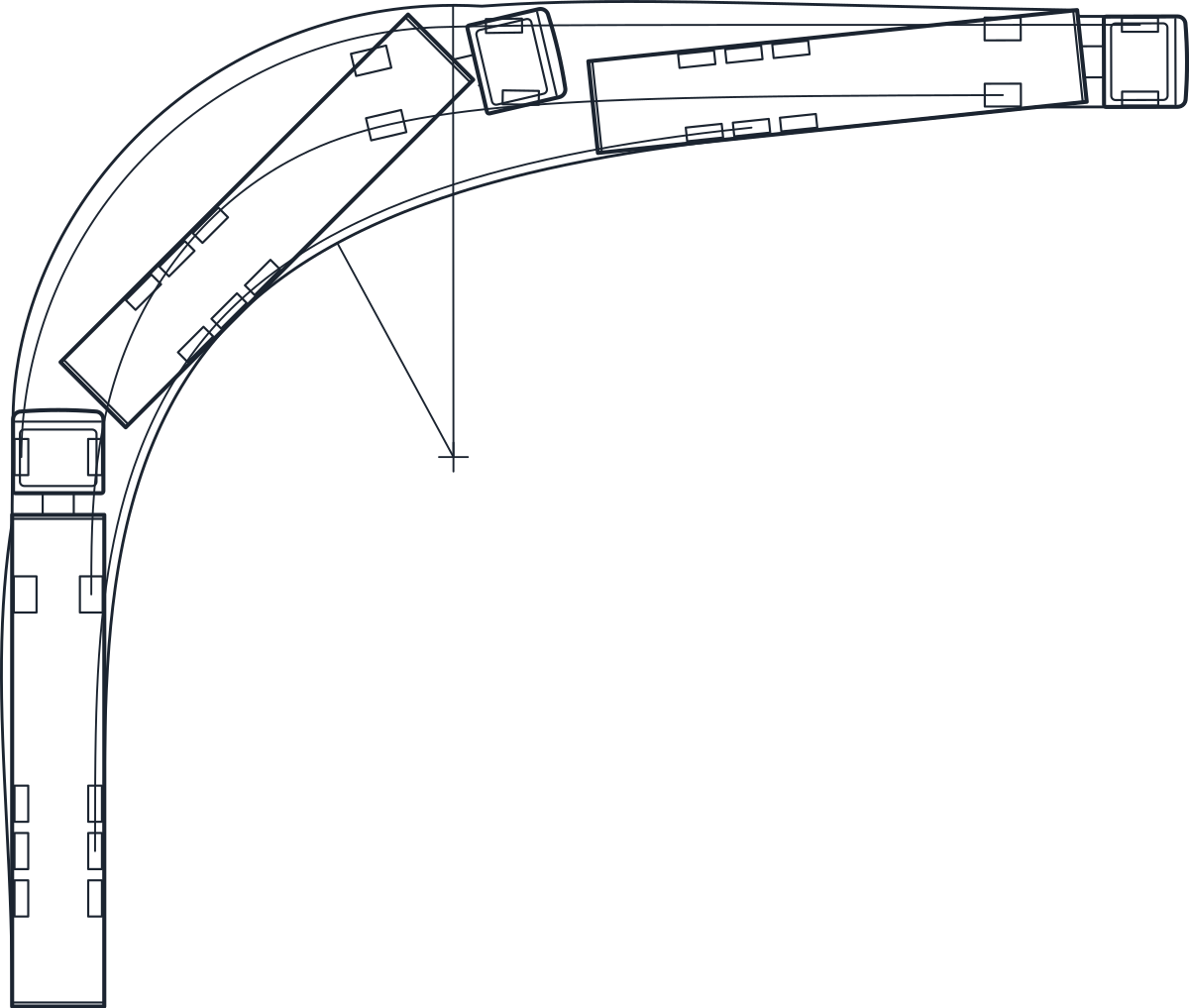
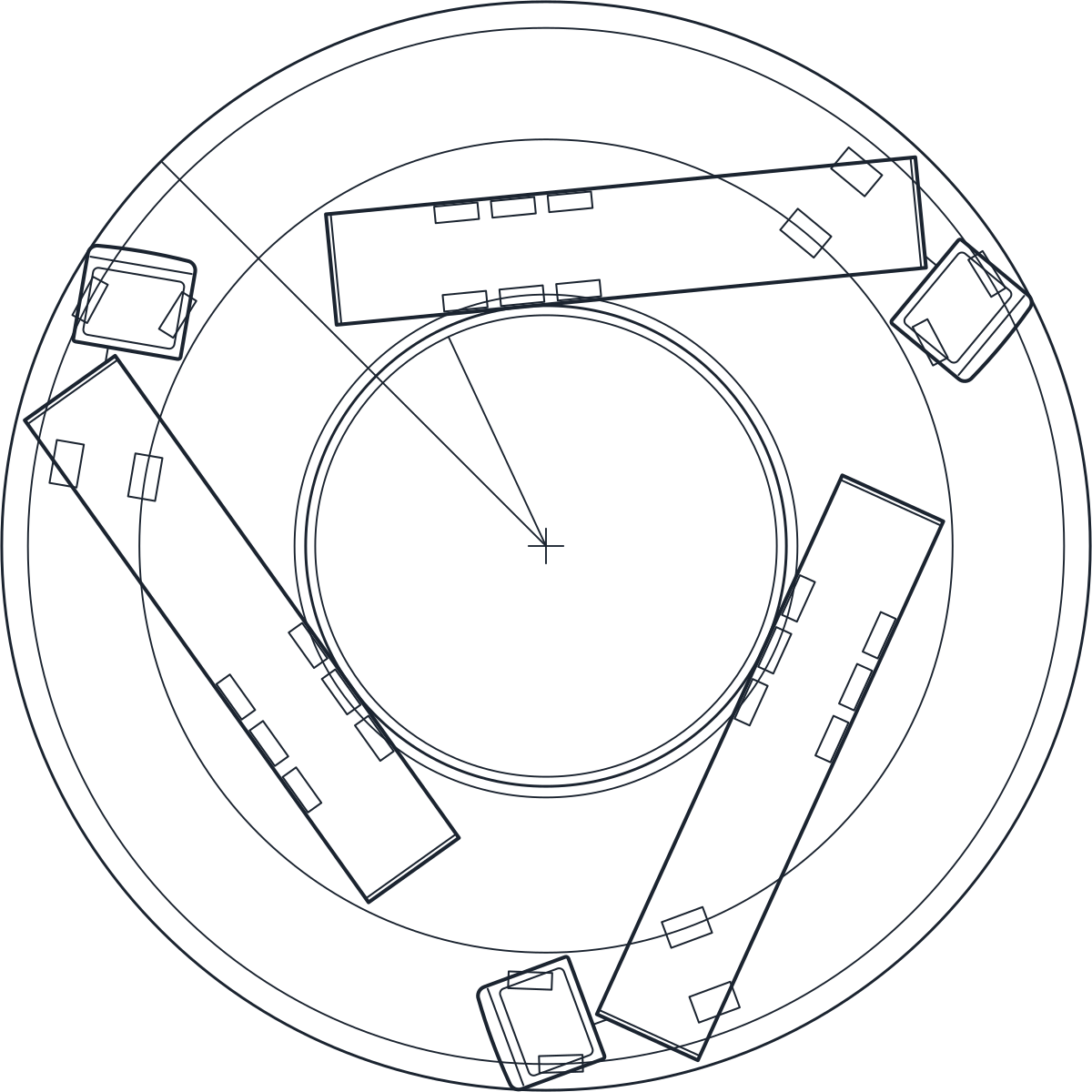
Four swept path blocks at 1:1 in millimetres: a car, a 10,000 mm rigid truck and a 16,500 mm articulated lorry turning 90 degrees, and the lorry circling inside the 12.5 m and 5.3 m turning ring.
Car swept path CAD block
Rigid truck swept path CAD block
Articulated lorry swept path CAD block
Articulated lorry turning circle CAD block
- Units
- Millimetres (INSUNITS 4), scale 1:1
- Formats
- DWG 2010 · DXF R2010
- Opens in
- AutoCAD and AutoCAD LT 2010 or later, BricsCAD, ZWCAD and DraftSight. The DXF opens in most CAD programs.
- Views
- Plan view
- License
- Free for personal and commercial projects. License
A swept path shows the ground a vehicle covers while it turns: the wheels, the body and the overhangs that swing out past the kerb line. These four blocks give you that envelope at 1:1 in millimetres, ready to lay over a site plan. Each one is a plan block, with the vehicle drawn in three positions along the turn.
Swept path analysis with CAD blocks
Each path comes from a low-speed kinematic model: the centre of the front axle follows the chosen path and the rear axles trail behind it as a tractrix, with no tyre slip and tandem axles taken at their centre. The radii in the files are measured on that result.
The outer envelope is on C-ROAD-SWPT, the wheel tracks and radius lines on C-ROAD-SWPT-DETL and the vehicle outlines on A-VEHI. Freeze the detail layer to keep only the envelope.
Vehicle swept path analysis for a 90-degree turn
All three turns are right-hand, at walking speed.
- Car: a 4,750 x 1,850 mm saloon with a 2,850 mm wheelbase. The front axle runs on a 4,600 mm radius and the envelope measures 5,720 mm outside and 2,860 mm inside.
- Rigid truck: a 10,000 x 2,500 mm two-axle truck with a 6,000 mm wheelbase and a 2,600 mm rear overhang. Outer radius 10,530 mm, inner radius 5,710 mm.
- Articulated lorry: a tractor and tri-axle semi-trailer, 16,500 x 2,550 mm overall, with a 13,600 mm trailer. Outer radius 12,500 mm, inner radius 6,740 mm. On the exit straight the front corner of the trailer swings about 0.4 m outside the tractor path, and the envelope includes that swing.
Compare the inner radii. The trailer cuts in well inside the tractor, which is why a corner that suits a rigid truck can still catch an articulated lorry on the kerb.
Articulated lorry swept path in the 12.5 m turning circle
Directive 96/53/EC, Annex I, point 1.5, asks that a vehicle or combination can turn within a ring with an outer radius of 12.5 m and an inner radius of 5.3 m. The fourth block draws the same articulated lorry circling that ring after three run-in laps, with the outer front corner of the cab on the 12.5 m circle. Its inner envelope reaches 5,520 mm, so it stays 220 mm clear of the 5.3 m circle at an articulation angle of 45 degrees.
The inner radius here is smaller than in the 90-degree turn because a full circle gives the trailer time to settle into its tightest track. Use the ring for turning heads and roundabout centres, and the 90-degree block for corners and gateways.
Swept path checks for an access, loading bay or car park
Insert the block at scale 1 in a drawing set to millimetres, rotate it to the road centre line and move it until the vehicle sits in its lane. Mirror it for a left-hand turn. Then look for the envelope crossing a kerb, the overhang reaching a wall or column, and the inner track cutting a corner island. For delivery yards, start from the truck blocks, and for aisles and bays, the parking lot blocks. The rest of the vehicles are in the vehicle blocks collection.
Limits of a free swept path analysis
These blocks are an approximation for layouts and early checks. They model one vehicle at walking speed on a fixed path. Real vehicles differ from these dimensions. For a planning submission or a final design, run the movement in swept path software with the vehicle the site will actually receive.